
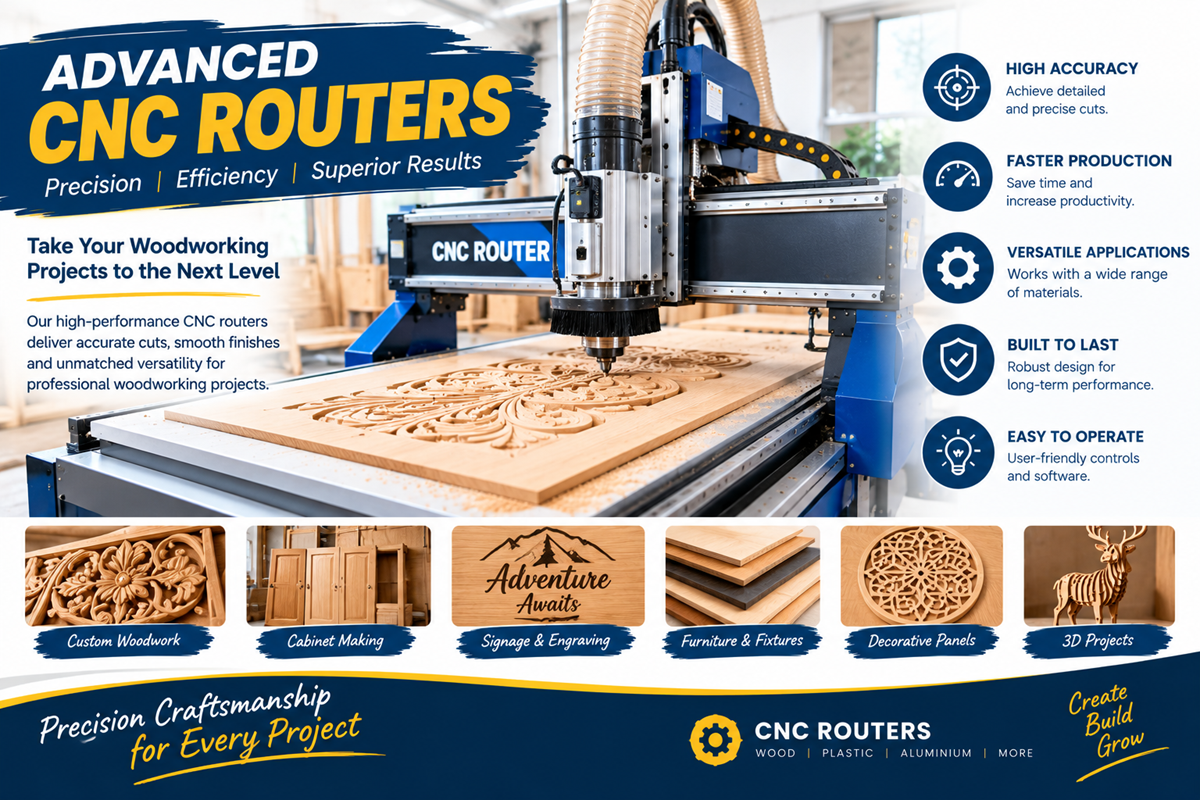
CNC routers represent the perfect marriage of computer technology and traditional craftsmanship. These machines take digital designs and transform them into physical creations with incredible accuracy, making it possible to produce everything from simple cut-outs to elaborate three-dimensional sculptures. Whether you’re a business owner considering custom signage or a designer exploring new possibilities, understanding how these machines work opens up a world of creative potential.
We will explore the inner workings of CNC routers, discover why they deliver such remarkable precision, and examine the wide range of materials they can handle. You’ll also learn about the industries benefiting from this technology and how to get the best results when working with CNC routing services. Let’s get stuck into the fascinating world of computer-controlled cutting.
What Is a CNC Routers and How Does It Work?
Breaking Down the CNC Routers Components
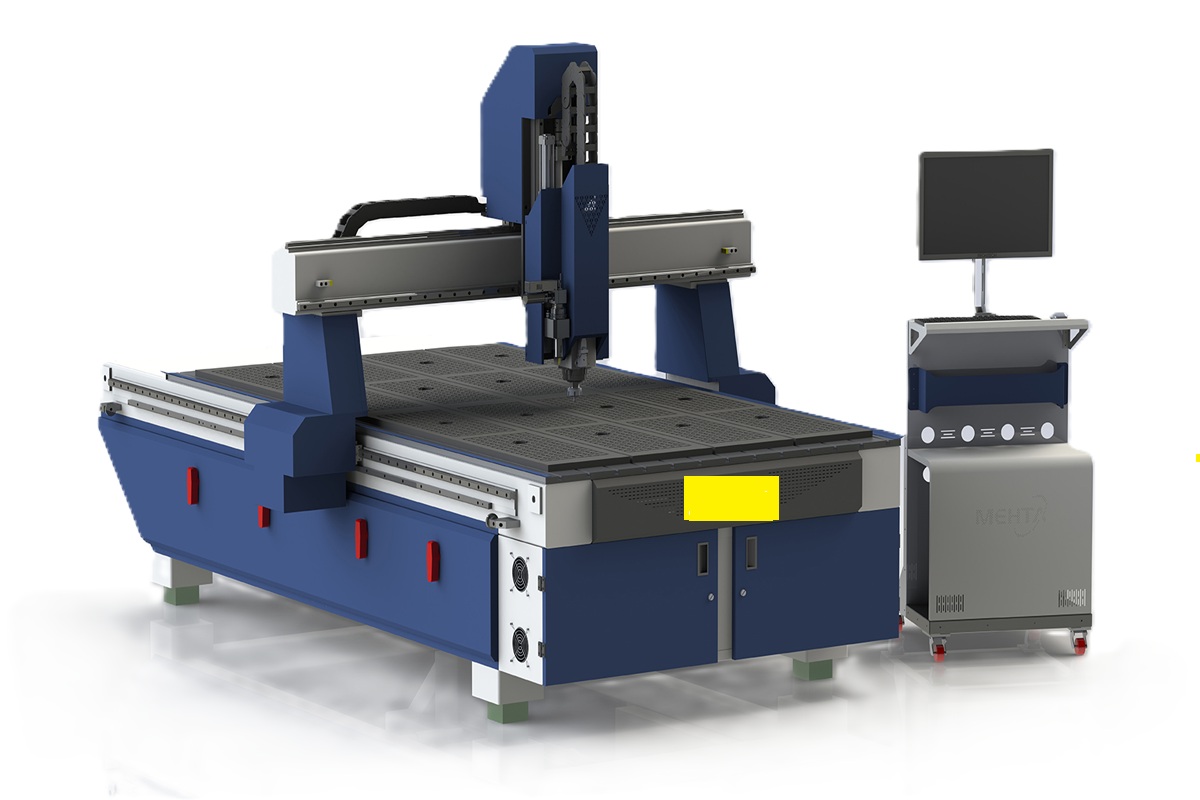
A CNC routers consists of several key components working together in harmony. At its core, you’ll find a sturdy frame that provides stability during cutting operations. The spindle, which holds the cutting tool, moves along multiple axes controlled by precision motors. The cutting bed holds your material firmly in place, while the control system interprets digital instructions and coordinates all movements.
The Role of Computer-Aided Design (CAD) Software
Before any cutting begins, designs are created using CAD software. This is where creativity meets technology. Designers draw up their concepts digitally, specifying exact measurements, depths, and contours. The software then converts these designs into a language the CNC routers understands, typically G-code. This code tells the machine precisely where to move, how fast to cut, and how deep to go.
From Digital File to Physical Creation: The Step-by-Step Process
The journey from screen to finished product follows a clear path. First, the design file is loaded into the machine’s controller. Next, the operator selects appropriate cutting tools and secures the material. The machine then executes the programmed instructions, moving the cutting head with incredible accuracy. Throughout the process, the computer maintains constant control, adjusting speeds and depths as needed.
Why Are CNC Routers So Precise?
Understanding Tolerances and Accuracy Levels
CNC routers typically achieve tolerances of 0.1mm or better, which means variations between intended and actual cuts are virtually undetectable to the human eye. This level of accuracy comes from precision-engineered components, including ball screws and linear guides that eliminate play and wobble. The result? Parts that fit together perfectly every single time.
The Technology That Eliminates Human Error
Unlike manual routing, where even skilled craftspeople can introduce slight variations, CNC machines follow programmed instructions without deviation. There’s no fatigue affecting steady hands, no momentary lapses in concentration. The computer executes each movement identically, whether it’s the first cut of the day or the thousandth.
What Materials Can a CNC Routers Cut?
Wood and Timber Products
Wood remains the most popular material for CNC routing. From soft pine to dense hardwoods like jarrah and blackbutt, these machines handle them all brilliantly. Plywood, MDF, and particle board are also commonly processed, making CNC routers essential in furniture and cabinetry manufacturing.
Plastics and Acrylics
Acrylic sheets, HDPE, PVC, and various engineering plastics cut cleanly on CNC routers. These materials are popular for signage, displays, and protective covers. The key is selecting appropriate cutting speeds and tool types to prevent melting or chipping.
Soft Metals and Composite Materials
While not as fast as dedicated metal-cutting machines, CNC routers handle aluminium, brass, and copper effectively. Composite materials like carbon fibre and fibreglass also machine well, opening possibilities in aerospace and automotive applications.
How Do CNC Routers Create Complex Designs?
Multi-Axis Machining Explained
Basic CNC routers operate on three axes: X, Y, and Z. More advanced machines add rotational axes, allowing the cutting tool to approach the workpiece from virtually any angle. This multi-axis capability enables the creation of complex curves, undercuts, and sculptural forms that would be impossible with simpler machines.
Intricate Patterns and 3D Carving Capabilities
Through a process called 3D profiling, CNC routers carve detailed relief sculptures and organic shapes. The machine removes material layer by layer, gradually revealing the final form. Fine ball-nose cutters create smooth, flowing surfaces while V-bits produce crisp, detailed line work.
What Are the Advantages of Using a CNC Routers Over Traditional Methods?
Speed and Efficiency Gains
What might take a skilled craftsperson hours to complete by hand can often be achieved in minutes with CNC routing. This speed translates directly into cost savings and faster project turnaround times. Plus, the machine works tirelessly without breaks.
Cost-Effectiveness for Small and Large Production Runs
CNC routing proves economical at various scales. For large runs, per-unit costs drop significantly as setup time is amortised across many pieces. For smaller runs, the elimination of expensive custom jigs and templates makes CNC competitive with traditional methods.
What Industries Use CNC Routers for Precision Work?
Furniture and Cabinetry Manufacturing
Australian furniture makers rely heavily on CNC routers for cutting cabinet components, creating decorative details, and machining precise joinery. The technology enables mass customisation, where each piece can be tailored to specific requirements while maintaining production efficiency.
Signage and Display Production
From illuminated channel letters to intricate dimensional logos, CNC routers are workhorses of the signage industry. The ability to cut consistent letterforms and complex shapes makes them indispensable for creating professional visual communications.
Aerospace and Automotive Applications
These demanding industries require exceptional precision. CNC routers machine composite panels, interior components, and prototype parts with the accuracy these sectors demand. Traceability and repeatability make quality assurance straightforward.
How to Get the Best Results from CNC Routers Services
Preparing Your Design Files Correctly
Provide clean, properly formatted design files. Vector files work best for 2D cutting, while 3D models should be watertight and properly scaled. Taking time to prepare files correctly avoids delays and additional costs.
Communicating Your Requirements Clearly
Be specific about materials, finishes, tolerances, and quantities. The more information you provide upfront, the better your service provider can meet your expectations. Don’t hesitate to ask questions if you’re unsure about anything.
Understanding Lead Times and Quality Checks
Allow adequate time for production, especially for complex projects. Reputable services include quality checks throughout the process. Understanding these workflows helps set realistic expectations and guarantees satisfaction with final results.
Conclusion
Throughout this exploration of CNC routing technology, we’ve seen how these remarkable machines combine computer precision with manufacturing capability. From the initial CAD design through to the finished product, every step benefits from digital accuracy and repeatability. The technology has truly transformed what’s possible in manufacturing and fabrication.
Whether you’re planning a custom signage project, exploring manufacturing options for your products, or simply curious about modern fabrication techniques, CNC routers offers exciting possibilities. As the technology continues advancing, becoming more accessible and capable, we can expect even more innovative applications. The future of precision design is here, and it’s being shaped by computer-controlled cutting tools working with remarkable accuracy.