
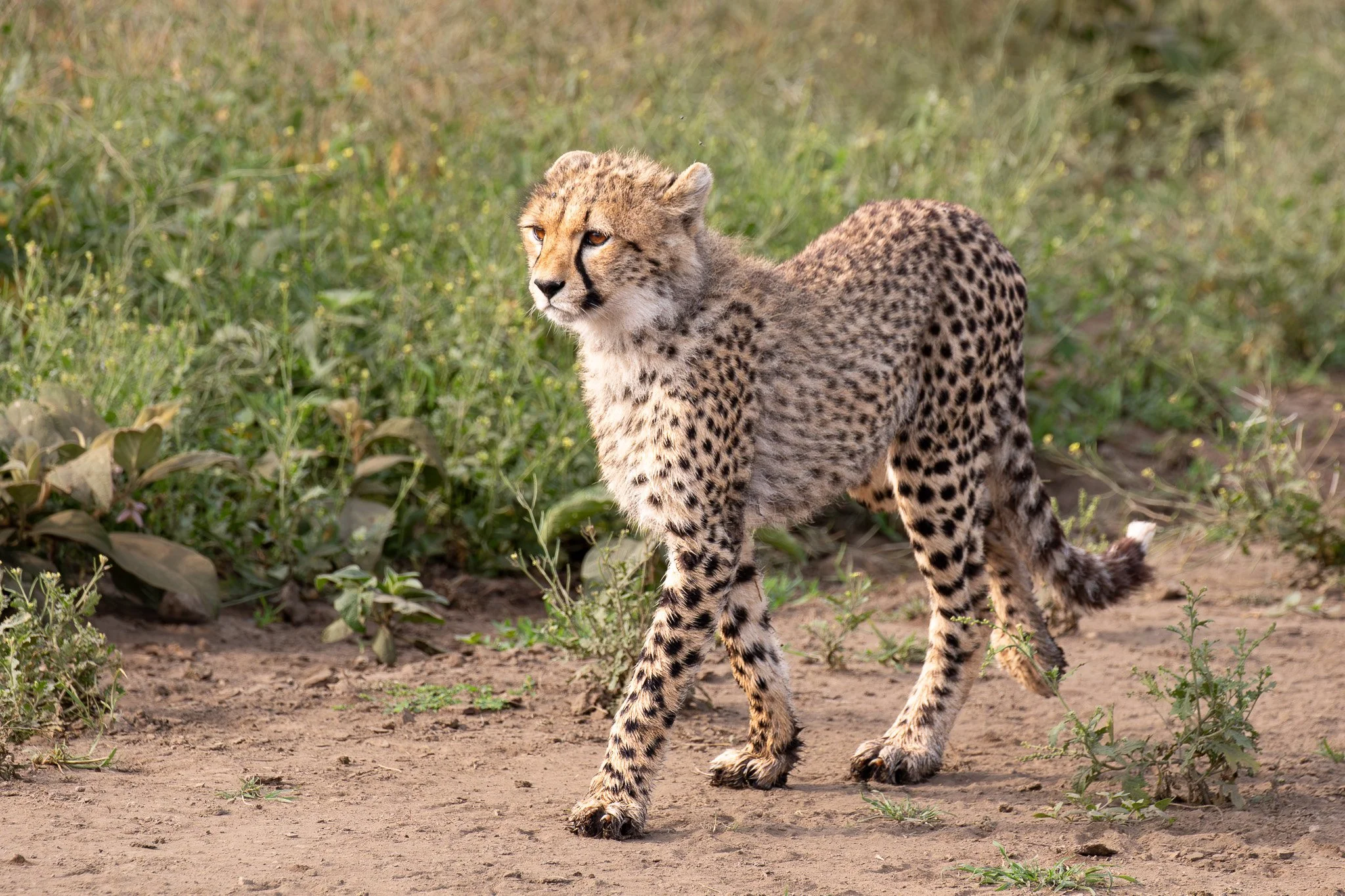
A first safari tends to change how you think about photography. The plains are vast, the animals are unbothered by the vehicle, and the light arrives low and warm on both ends of every day. If you are planning Tanzania safari photography for the first time, this guide covers where to go, when to go and how to prepare.
It is also a good moment to plan: calving season in the Ndutu area runs from late January, only a few months away. For a longer, first-hand account with lodge and guide notes, see the Tanzania Photography Guide.
Why Tanzania Works for Photographers
Tanzania’s northern circuit packs very different habitats into one trip: baobab-studded woodland, a collapsed volcanic caldera and endless grassland. Each one changes your photography. You get layered scenes with elephants in Tarangire, concentrated predator and prey action in the crater, and graphic, minimalist landscapes across the Serengeti. Because vehicles can approach wildlife quietly and guides know where to position, you spend more time making images and less time searching.
Best Photo Spots on the Northern Circuit
Tarangire National Park
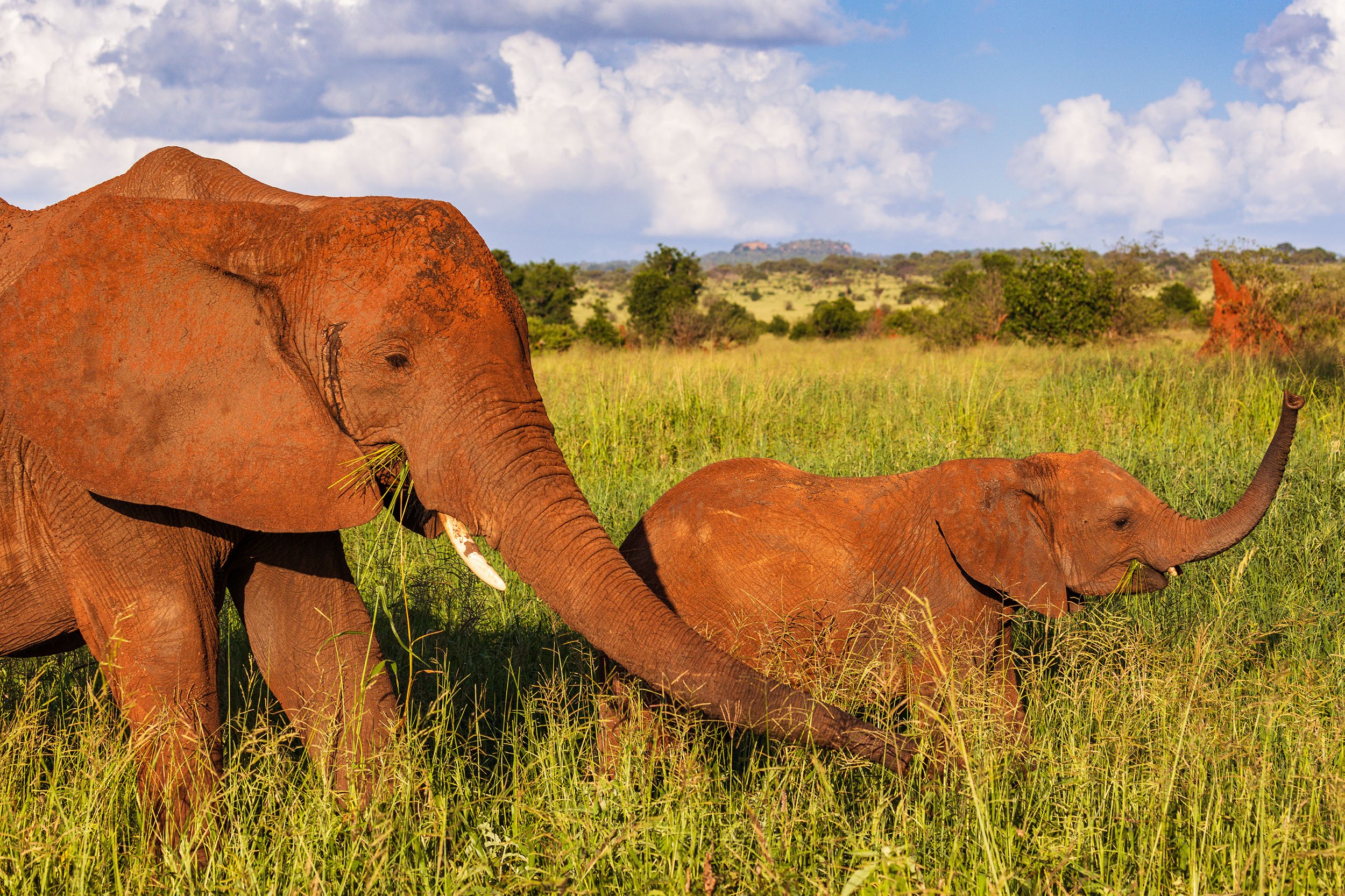
Known for large elephant herds and ancient baobab trees, Tarangire gives you scale and character. Position the vehicle so that elephants walk toward you with a baobab behind, and shoot in early morning or late afternoon when low light rakes across the bark. During the dry season the Tarangire River draws mixed herds, which helps with layered compositions. Close the vehicle windows at the entrance, because vervet monkeys are quick and bold.
Ngorongoro Crater
The world’s largest intact volcanic caldera holds an exceptional density of wildlife on its floor, including lions, elephants, buffalo and the rare black rhino. Start before sunrise on the rim, where mist fills the crater and clears slowly, then descend early, since predator activity is best in the morning. Mornings on the rim are cold, so pack a fleece. Crater visits normally need a descent fee on top of park fees, and no one is allowed to stay on the crater floor overnight.
Central Serengeti
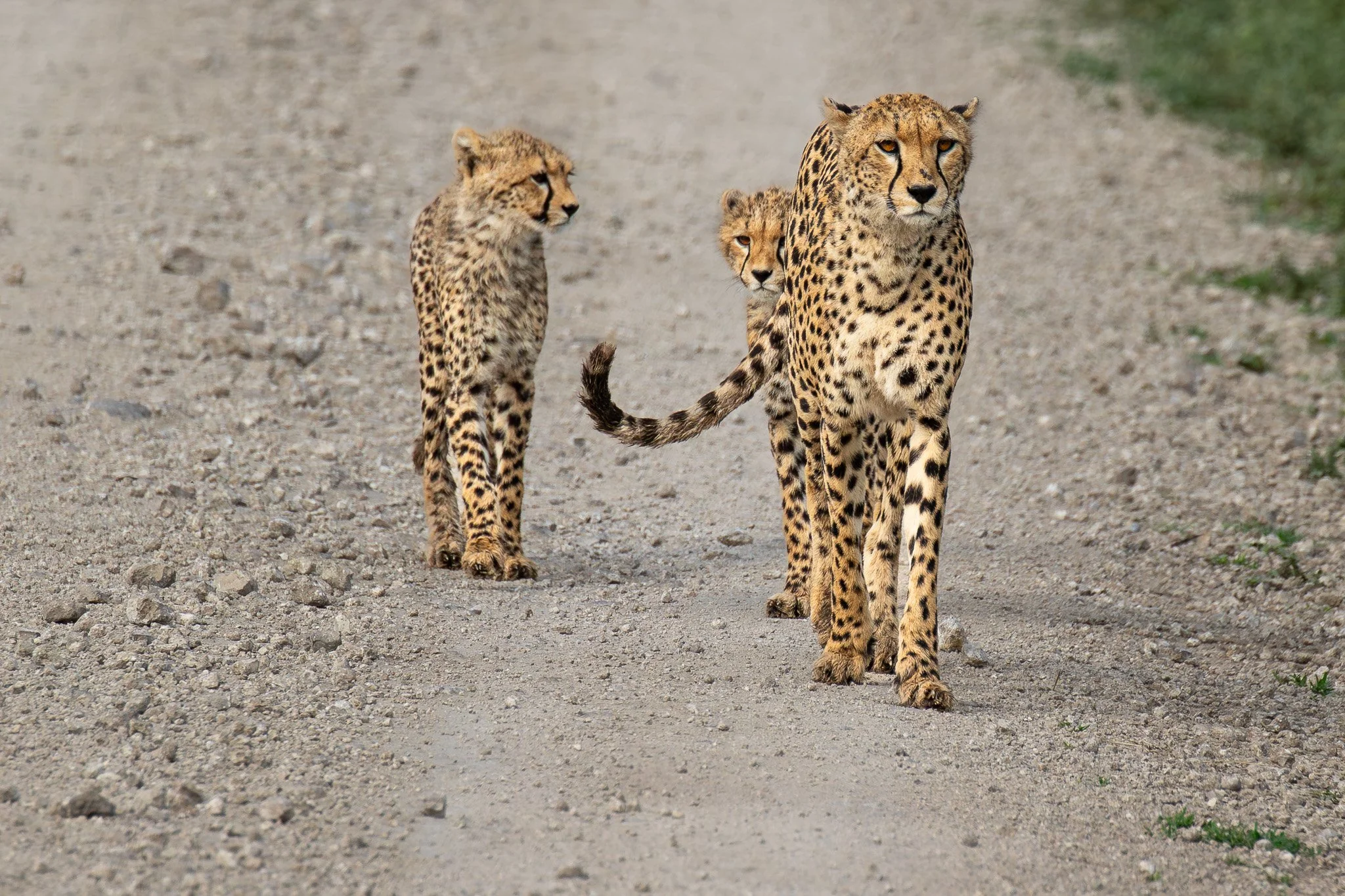
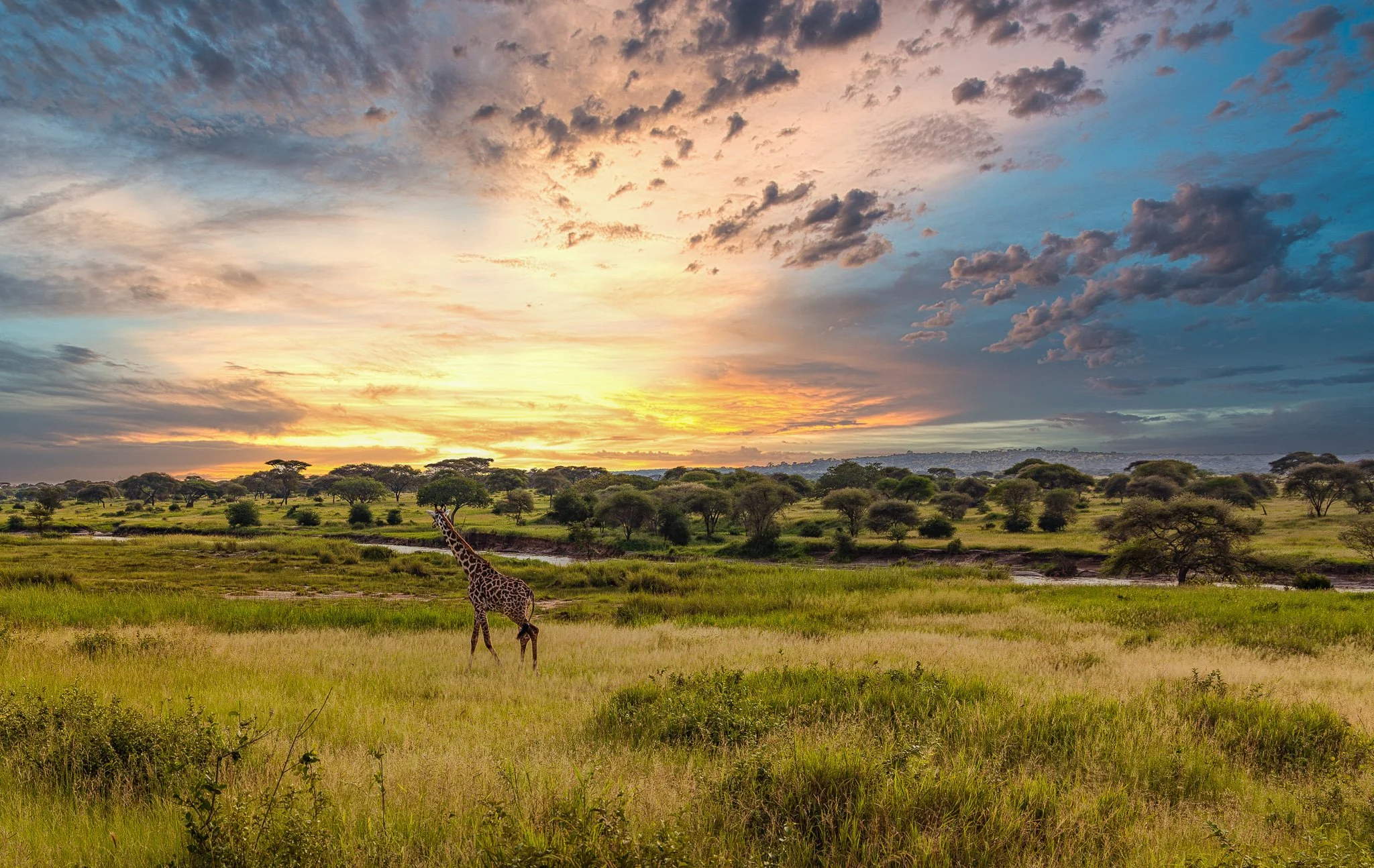
This is the classic safari landscape: open plains, huge skies and lone acacias. Light does most of the work here. Shoot from the roof hatch at a low angle to include foreground grass, use a wide lens for environmental scenes and a long lens for lions, cheetahs and giraffes. Work the first two hours after sunrise and the last two before sunset, and use the harsh midday hours to rest, back up files or try black-and-white.
Northern Serengeti and the Mara River
Wildebeest river crossings usually take place between July and September. They are unpredictable and many vehicles gather, so ask your guide to position early and be patient. Lock focus on single animals rather than the whole herd, since the strongest frames show one wildebeest mid-leap. Smaller crossings can also occur outside peak months.
Ndutu and Lake Masek (calving season)
From late January through February, hundreds of thousands of wildebeest give birth on the short-grass plains near Ndutu, drawing cheetahs, lions and hyenas. Set your camera to continuous tracking and burst mode before you leave camp, because hunts start fast. Keep your distance from newborns and mothers, and watch for quieter moments such as a calf standing for the first time. The green-season light is softer and more diffused than in the dry season.
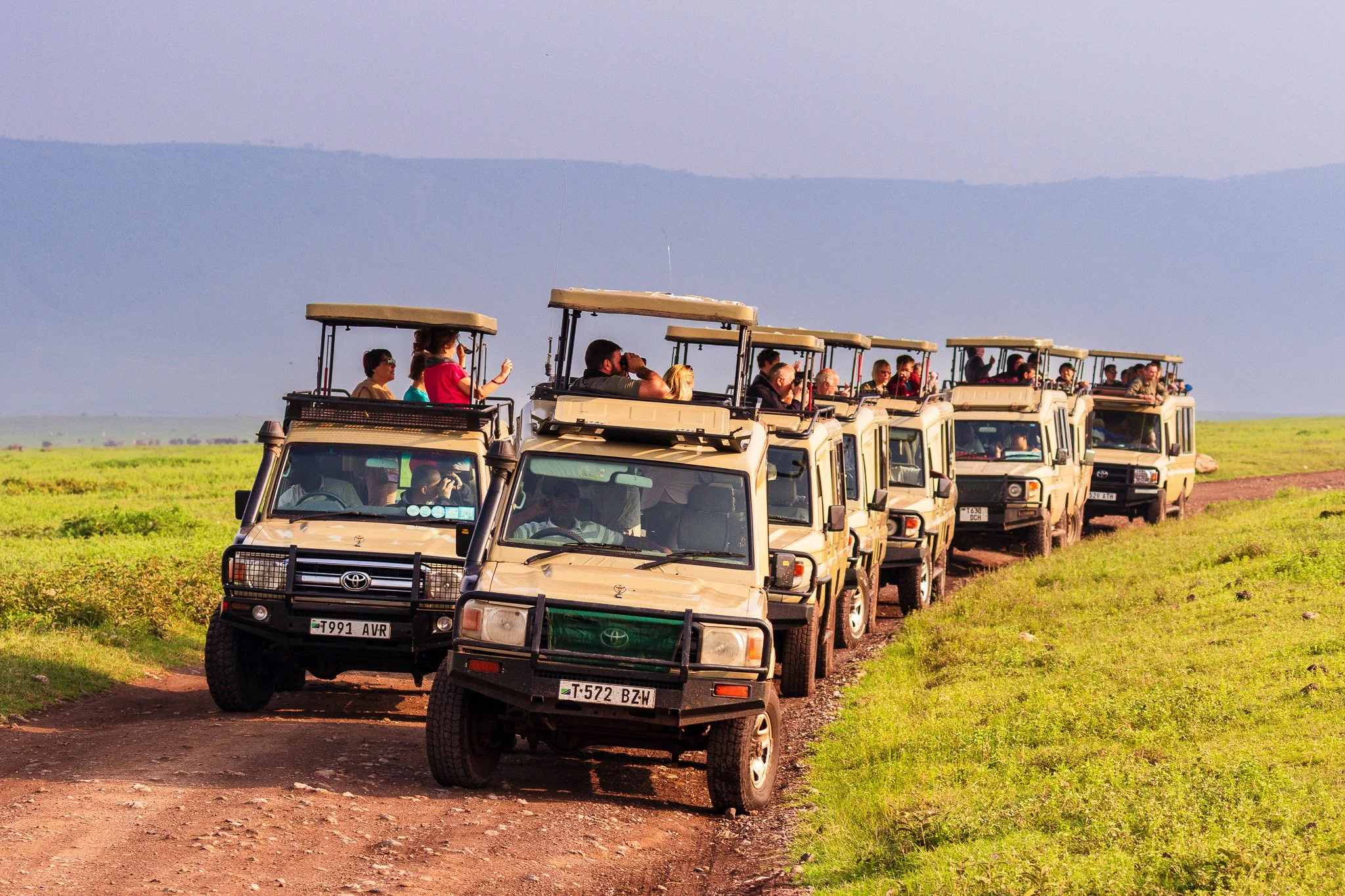
Tanzania at a glance
| Place | Best for | Best time |
|---|---|---|
| Tarangire | Elephants, baobabs | June to October (dry season) |
| Ngorongoro Crater | Dense wildlife, rim mist | Dawn; early morning on the floor |
| Central Serengeti | Big cats, open-plains light | Golden hour, year-round |
| Northern Serengeti | River crossings | July to September |
| Ndutu and Lake Masek | Calving, predators | Late January to February |
When to Go
The dry season, June to October, offers clear skies, thinner vegetation and wildlife gathered near water. It is also the busiest and priciest time. The wet season, November to May, turns the plains green, builds dramatic afternoon skies and brings fewer vehicles, though grass is taller and roads can get muddy. Pick your season by the images you want: crossings in July to September, calving in late January and February, and moody green landscapes in the wet months. To compare timing with other destinations, browse the best places to go month by month.
How Long to Stay and How to Travel
Allow 8 to 10 days at minimum for the northern circuit of Tarangire, Ngorongoro and the Serengeti. Ten is a comfortable sweet spot, and 12 to 14 days suits serious photographers who want to wait for behavior. A sample split is two to three nights in Tarangire, two in Ngorongoro, three to four in the Serengeti and two around Ndutu in calving season.
A private guided safari gives you the flexibility to stay as long as you like with a sighting. Lodge-based stays are more comfortable but cover a smaller area and may share vehicles. Many travelers combine the two. Roads inside the parks are rough, so allow extra time, and consider a short bush flight between regions if time is tight. Most international travelers arrive via Kilimanjaro International Airport.
Visa, Health and Practical Tips
Visa: Tanzania requires most travelers to apply for an eVisa before departure rather than on arrival. Apply only through the official Tanzania Immigration eVisa portal, allow plenty of processing time and carry printed and digital copies.
Health: Check current vaccine requirements, including yellow fever rules that can depend on your route, and speak with a travel clinic about malaria prevention well before you go. Pack insect repellent, sunscreen, a wide-brim hat and neutral-colored, long-sleeved clothing. Tsetse flies can be a nuisance in Tarangire.
Cash and tips: Most safaris are prepaid, so you will need little cash, but carry small bills for tips for guides and camp staff. Ask your operator for recommended amounts.
Camera Gear for Safari
- Two camera bodies: Dust makes lens changes risky, and a spare body is insurance. Keep a wide or standard zoom on one and a long lens on the other.
- Long lens: 300mm is a minimum, and 400 to 600mm gives tighter frames and cleaner backgrounds.
- Bean bag instead of a tripod: Because you cannot leave the vehicle, a bean bag on the window frame or roof hatch is more practical than a tripod.
- Dust and weather care: Bring a blower, microfiber cloths, rain covers and plenty of memory cards, plus a portable drive for nightly backups.
- Spare batteries: At least two per body.
If you are choosing equipment, these gear recommendations are a useful starting point. On a phone, use the wide lens for landscapes and the telephoto lens for animals your guide positions close.
Photographing People and Wildlife Responsibly
Follow your guide’s advice on distance, and never pressure a driver to get closer to animals or their young. When photographing local people, including Maasai communities, always ask permission first and be thoughtful about organized village visits, which vary widely in how they are run. A warm greeting and a respectful approach go a long way.
Give yourself time, trust your guide and let the light and the animals set the pace. Tanzania rewards photographers who wait.
Frequently Asked Questions
What is the best time to photograph wildlife in Tanzania?
It depends on your goal. July to September suits river crossings, late January to February suits calving season, and June to October offers clear skies and easier wildlife viewing.
How many days do I need for a Tanzania safari?
Eight to ten days is a good minimum for the northern circuit, with 12 to 14 days ideal for serious photographers.
What camera gear do I need for a Tanzania safari?
Two bodies, a lens of at least 300mm, a wide or standard zoom, a bean bag, dust protection and plenty of cards and batteries.
Can I use a tripod on safari in Tanzania?
Rarely. You usually stay in the vehicle, so a bean bag over the window or roof hatch works better. A small tripod is only useful for night-sky photography at your lodge.
Can I fly a drone in Tanzania?
Not inside the national parks. Check with your operator before any flight outside park boundaries.
About this guide: Written for travelers who want to spend less time second-guessing and more time somewhere worth photographing. Follow the links in the text to go deeper on the places and techniques mentioned.