
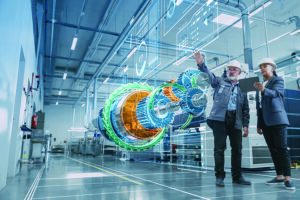
What makes a customer decide to purchase a product when they see it online? In most cases, it’s not the price or even the description that matters. It’s about how well they can see and understand what they are about to buy. This is exactly where a 3D Model Design Service comes in and completely changes the situation. Traditional flat images have been used by businesses for many years, but they clearly have some major drawbacks. A single picture can only show one view at a time, which makes customers wonder about the other parts. Three-dimensional modeling takes away all the guesswork by creating a realistic, turnable, and highly detailed visual of a product that photos can’t really capture. Whether you are selling furniture, electronics, shoes, or industrial parts, the way your product looks before someone sees it affects whether they feel confident enough to buy it. Companies that get this are already moving to 3D visualization, and the results say it all.
What 3D Modelling Actually Does for Product Presentation
Three-dimensional modelling makes a digital copy of a real product. This replica can be seen from all sides, zoomed in to see the details, and put into various virtual settings. What makes this strong is that it gives the viewer a feeling of being in control before they spend any money. When a customer can turn a product around, check its feel, look at its shape, and see how it looks in various colors without needing many photos, they feel much more sure about the product. That confidence helps cut down on hesitation and makes people move ahead with making a purchase.
Cutting Down on Photography Costs
Traditional product photography needs real products, a setup in a studio, special lights, experienced photographers, and time to edit the photos. Every change in color, size, or material leads to another shoot. For businesses that handle big product listings, this turns into a costly process that makes everything take longer. Three-dimensional modelling breaks this cycle. Once a digital model is created, it can be shown in any color, material, or setup without using a camera. New product variations can be created in a few hours rather than taking several days, and the cost for each image goes down a lot. For growing businesses, this kind of efficiency is not a luxury. It is a practical necessity.
Helping Customers Make Better Decisions
The primary customer return driver is when the product is not what the customer was looking for. It was slightly off in color, a bit off in size, or didn’t display a particular aspect of the product in the product photo. All of that is addressed head-on with 3D models. Interactive 3D visuals enable customers to get a close-up view of a product before they purchase it. They can inspect the zippers on a pair of shoes, the grain of a wooden cabinet, or the holes on the rear of a laptop. That is a level of detail to set the right expectations, bring fewer surprises if the product arrives, and fewer returns. There are two benefits for businesses: they have more satisfied customers, and they receive fewer returns.
Accelerate the product development and approval process
In addition to the customer’s perceptions, 3D modeling is also crucial for business activities. Teams of designers can build a digital model and even send it to designers around the world—not a real product. Changes may be effected and verified on the day being changed. The approvals process is faster, projects are completed in a shorter time, and fewer resources (and time) are spent on developing and modifying physical models. This is particularly beneficial for products like cars, consumer electronics, and architecture, where it’s common to update and fix often-used products. The creation of a digital model can accelerate the pathway for a product to get from idea to approval.
Building Trust Through Realism
The extent of realism is directly linked to people’s belief in it. If a product image is clean, exact, and clear, customers assume that the product is the same. Three-dimensional renders that do it well produce images that are practically indistinguishable from a real photo, but that don’t suffer from all the problems associated with taking real photos. If companies have them displayed in a good 3D image, this conveys a more professional and trustworthy aspect to the brand. This concept of quality is a good way to be a successful competitor in the marketplace where there are numerous competitors with comparable products. Customers choose what they think and begin with what they see.
Conclusion
Three-dimensional modeling is no longer just a flash design trend. Now it’s actually a tool that makes products easier to see, understand, and sell. These are companies that invest in great 3D visuals, and therefore it’s not only that they create better-looking images, but they create a better customer experience, which not only saves them money, but also helps them sell more over time and build more trust in the process. In a world where the first impression is frequently formed on a screen, it is just as significant to look as good online as it does in the hands of the user.
Visit bushwood for more informative blogs.