
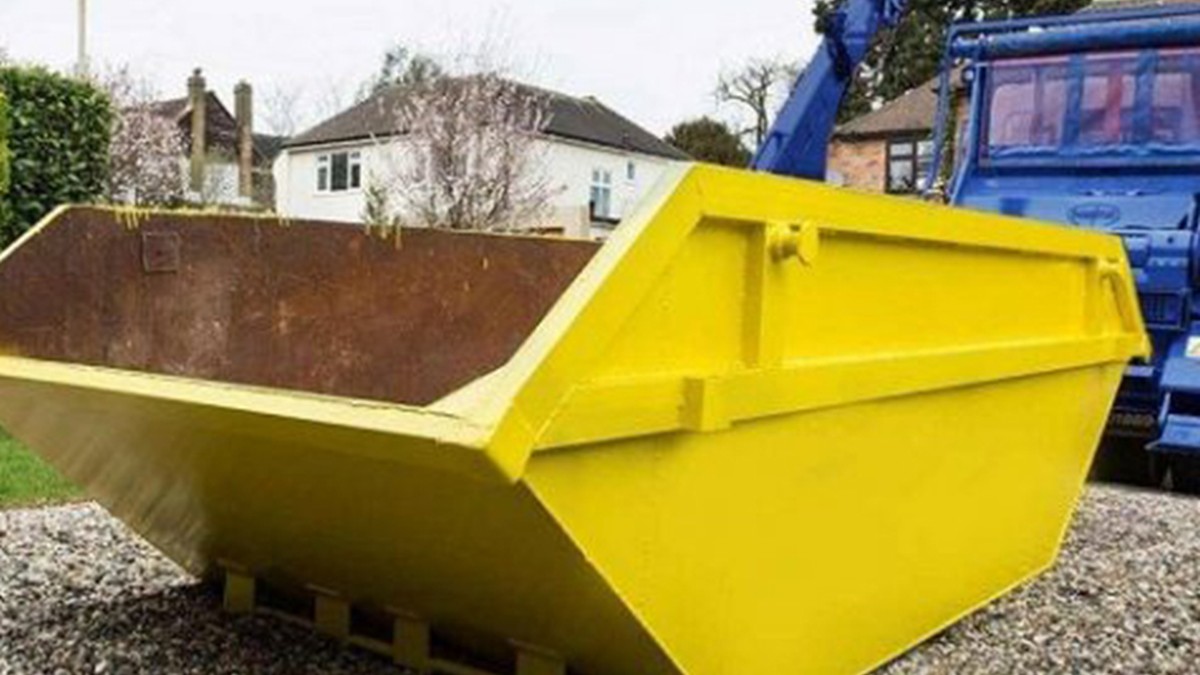
Hiring a skip is one of the easiest ways to clear waste from a home renovation, garden project, or office clearout. The skip arrives, you fill it, and it gets collected. Simple.
But many people make small mistakes that cost them money or cause delays. If you are planning a clearout, watch out for these common errors before you book.
Booking The Wrong Size Skip
The most common mistake is ordering a skip that is too small or too big.
A skip that is too small fills up fast, and you may need a second one.
A skip that is too big wastes money on space you do not need.
Think carefully about your project. A small bathroom refit needs a much smaller skip than a full house clearance.
When you compare skips for hire stockport companies, ask which size suits your project and make a rough list of the waste you expect.
As a guide, mini skips suit garden clearouts and small DIY jobs, midi skips handle bathroom and kitchen waste, and builder’s skips take construction and demolition waste.
Choosing right the first time saves both money and hassle.
Forgetting About The Skip Permit
If your skip will sit on the road or pavement, you need a permit from the local council.
Many people only learn this when the driver refuses to drop the skip, which delays the whole project.
Check where the skip will go before you book. If it fits on your driveway or private land, no permit is needed.
If it must go on a public road, ask the hire company to arrange the permit for you.
Permits usually take a few days to come through and cost extra, so sort this out early in your planning.
When comparing skips for hire stockport providers, a good company will explain the permit process clearly and handle the paperwork for you.
Putting Banned Items In The Skip
Not everything can go in a skip. Hazardous and regulated items are banned, including asbestos, fridges and freezers, paint and solvents, batteries, tyres, gas cylinders, and electrical appliances.
Loading banned items can lead to extra charges or the waste being left behind. Some companies fine you per item, which quickly adds up.
Always check the restricted list on the company’s website before you start loading.
If you are unsure about an item, ask before you put it in. A quick call can save you an unexpected bill.
Overloading The Skip
Skips must not be loaded above the rim. An overloaded skip is unsafe to transport, and the driver is legally required to refuse it.
You will then need to remove the extra waste before collection.
Fill the skip evenly and keep heavy items at the bottom. Break down large items like furniture so they sit flat and take up less space.
Do not pile waste high in the middle hoping no one will notice.
Remember that skips are measured by volume, not weight. Dense materials like soil, concrete, and rubble get very heavy fast,
so fill smaller skips with these materials and use larger skips only for lighter waste.
Ignoring Access And Placement
Another common mistake is not thinking about where the delivery lorry will go. Skip lorries are large and need space to manoeuvre.
Low branches, narrow gates, and parked cars can all block delivery.
Measure your access before you book. Check the width of gates and driveways, and look for overhead cables or branches.
Tell the company about any tight spots so they can plan the delivery.
Also think about where the skip will sit during the hire. Keep it away from doors you need to use and make sure neighbours can still get past.
A little planning avoids arguments and delays on delivery day.
Not Checking The Company’s Credentials
Finally, always check that the skip company is a registered waste carrier.
Every company that carries waste in the UK must be registered with the Environment Agency, and you can check this online.
Using an unlicensed operator is risky. If your waste is fly tipped, you as the person who hired them can be fined.
A legitimate company will happily share its registration details.
Ask where your waste goes after collection too. Good companies recycle a high percentage of skip waste, which is better for the environment and clearly shows they take their responsibilities seriously.
Conclusion
Skip hire is simple when you plan ahead. Choose the right size, check whether you need a permit, keep banned items out, avoid overloading,
and make sure the delivery lorry can reach your property.
Take time to compare companies and check their credentials carefully before you book.
Avoiding these common mistakes will keep your project on track, on budget, and completely free of unwanted surprises.
Visit Bushwood for more informative blogs.