
Accurate weight measurement is essential for businesses that handle products, raw materials, shipments, and industrial goods. Selecting the right Weight Scale Machine UAE businesses need can improve daily productivity, support inventory management, and help maintain consistent product quantities. From small retail outlets to large warehouses and manufacturing facilities, weighing machines play an important role in maintaining efficient and organized operations throughout the United Arab Emirates.
As commercial and industrial activities continue to expand, businesses require weighing equipment that matches their specific operational needs. Some applications involve measuring small components, while others require weighing large packages, pallets, or heavy materials. Understanding the available weighing solutions helps business owners choose equipment that offers suitable capacity, dependable performance, and practical long-term value.
Understanding Different Types of Weight Scale Machines
Weight scale machines are available in several designs to support different weighing requirements. Each type has specific features that make it appropriate for particular workplaces.
Digital Weighing Machines
Digital weighing machines use electronic sensors to measure weight and display the results on a screen. Their clear readings make them suitable for retail counters, packaging departments, workshops, and commercial facilities.
Depending on the model, digital scales may offer tare functions, unit conversion, piece counting, and data connectivity. Businesses should review these features carefully to determine whether they support their daily activities.
Platform and Floor Scales
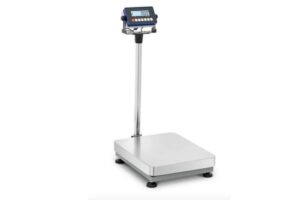
Platform scales are designed for items that require a larger weighing surface. They are commonly used for cartons, containers, industrial components, and packaged goods.
Floor scales are particularly useful in warehouses and manufacturing facilities where employees regularly handle heavier loads. Before purchasing, businesses should compare platform dimensions, maximum capacity, construction materials, and installation requirements.
Bench and Tabletop Scales
Bench scales are compact weighing devices designed for worktables, counters, and production stations. They can be useful for measuring ingredients, small packages, components, and other items that do not require a large platform.
Their compact design helps businesses establish convenient weighing stations without occupying excessive floor space. The selected model should provide sufficient capacity and readability for the intended application.
Specialized Industrial Weighing Systems
Some operations require equipment designed for specific industrial processes. Examples include crane scales, pallet scales, counting systems, tank weighing equipment, and weighbridges.
These solutions support activities ranging from measuring suspended loads to monitoring materials stored in tanks or weighing heavy vehicles. Their suitability depends on the load, operating conditions, installation arrangement, and required measurement performance.
Why Businesses in the UAE Need Reliable Weighing Equipment
The UAE has a diverse commercial environment involving logistics, construction, food processing, manufacturing, retail, and international trade. Many of these sectors depend on accurate measurements to manage materials and maintain consistent business procedures.
Reliable weighing equipment helps employees verify incoming goods, check outgoing shipments, measure production materials, and monitor stock quantities. Consistent weighing procedures can also help businesses identify discrepancies before they affect inventory records or production schedules.
For example, a distribution centre may use platform scales to check packaged shipments before dispatch. A food production facility may require bench scales to measure ingredients, while a manufacturing company may use industrial equipment to monitor raw material quantities.
Choosing equipment that matches the actual workload can reduce unnecessary handling and make routine tasks easier to manage. However, results also depend on proper installation, suitable environmental conditions, and regular equipment maintenance.
Important Features to Consider Before Buying
Purchasing a weighing machine requires more than comparing prices. Businesses should assess how the equipment will be used and which specifications matter most.
The following factors can help guide the selection process:
- Maximum capacity: Choose a machine that can accommodate the heaviest expected load without exceeding its rated limit.
- Measurement readability: Select suitable display increments for the level of detail required in your application.
- Platform dimensions: Ensure the weighing surface can safely accommodate the size and shape of the items being measured.
- Construction quality: Consider the materials and durability needed for regular commercial or industrial use.
- Environmental protection: Check whether the equipment is appropriate for dust, moisture, temperature changes, or frequent cleaning.
- Operational features: Determine whether tare weighing, counting, printing, or digital data transfer would be useful.
- Service and maintenance: Review the manufacturer’s recommendations and confirm the availability of suitable technical assistance.
- Compliance requirements: For scales used in commercial transactions, verify the applicable UAE legal-for-trade approval and verification requirements.
Evaluating these details before purchasing helps businesses avoid selecting equipment that cannot perform reliably under their working conditions.
Applications Across Commercial and Industrial Sectors
Warehousing and Logistics
Warehouses handle goods in different shapes, sizes, and quantities. Suitable weighing equipment helps employees check incoming deliveries, prepare outgoing orders, and maintain more consistent inventory records.
Platform and floor scales can be useful for heavier packages, while smaller digital scales may be suitable for individual products and parcels. The right choice depends on the warehouse’s loading procedures and typical shipment sizes.
Manufacturing and Production
Manufacturers use weighing equipment to measure raw materials, verify components, and monitor quantities during production. Consistent measurements can support quality control and help reduce material discrepancies.
Businesses should choose equipment that can withstand the demands of their production environment. Where scales are connected to production software or machinery, compatibility with the existing system should also be assessed.
Retail and Wholesale
Retailers and wholesalers may need weighing machines to measure products, prepare orders, and check stock quantities. Clear displays and convenient operation can help staff complete routine tasks efficiently.
When weight determines the selling price, the equipment must meet the applicable requirements for commercial use. Buyers should confirm the relevant approvals before using a scale for trade.
Food Processing and Packaging
Food businesses often require accurate measurements for ingredients, portions, and packaged products. A suitable scale can help employees follow standard quantities and maintain consistency between batches.
In these environments, cleaning procedures and material suitability are especially important. Businesses should select equipment designed for their hygiene requirements and operating conditions.
Maintaining Weighing Machine Accuracy
Regular maintenance helps businesses maintain dependable measurements and reduce avoidable equipment problems. Even a well-designed weighing machine may produce inconsistent readings if it is incorrectly positioned, overloaded, or poorly maintained.
Place the equipment on a stable, level surface and follow the manufacturer’s installation instructions. Keep the weighing platform clean and ensure that nothing interferes with the load during measurement. Avoid impacts, excessive vibration, and loads beyond the specified capacity.
Calibration and verification should be performed according to the manufacturer’s guidance, the equipment’s application, and applicable regulatory requirements. If readings become unstable or the equipment shows signs of damage, arrange an inspection before continuing to rely on it.
Employees should also receive basic training on operating procedures, tare functions, load placement, and fault reporting. These practices help establish consistent weighing routines across the workplace.
Finding a Suitable Weight Scale Machine Supplier in the UAE
Choosing an appropriate supplier can make the purchasing process easier. Businesses should look for clear specifications, guidance on selecting equipment, and information about available maintenance or calibration services.
Al Falah Scales is a weighing equipment provider in the UAE that businesses can consider when exploring commercial and industrial weighing solutions. Before selecting a machine, buyers should explain their application, required capacity, desired readability, and workplace conditions. They should also confirm current product availability, technical specifications, and after-sales support directly with the provider.
Comparing suitable options and checking the details before purchase can help businesses invest in equipment that supports their operational goals.
Conclusion
A suitable weight scale machine can help businesses improve measurement consistency, manage inventory, and maintain efficient workflows. The UAE market offers a wide range of equipment, including digital scales, bench models, platform scales, and specialized industrial systems. By considering capacity, readability, construction, operating conditions, and maintenance requirements, businesses can identify a solution that fits their needs. Correct installation, regular checks, and responsible handling further support reliable weighing performance over time.
Frequently Asked Questions
1. Which weight scale machine is suitable for industrial use?
The right machine depends on the material, load capacity, platform size, and working environment. Platform scales, floor scales, and specialized industrial systems may be appropriate for different applications.
2. What factors affect the price of a weight scale machine in the UAE?
Price can depend on capacity, measurement readability, construction materials, additional functions, environmental protection, and calibration or installation requirements. Comparing specifications is more useful than considering price alone.
3. How can businesses maintain accurate weight measurements?
Businesses should install scales on stable surfaces, avoid overloading, follow operating instructions, keep equipment clean, and arrange calibration or verification when required.